
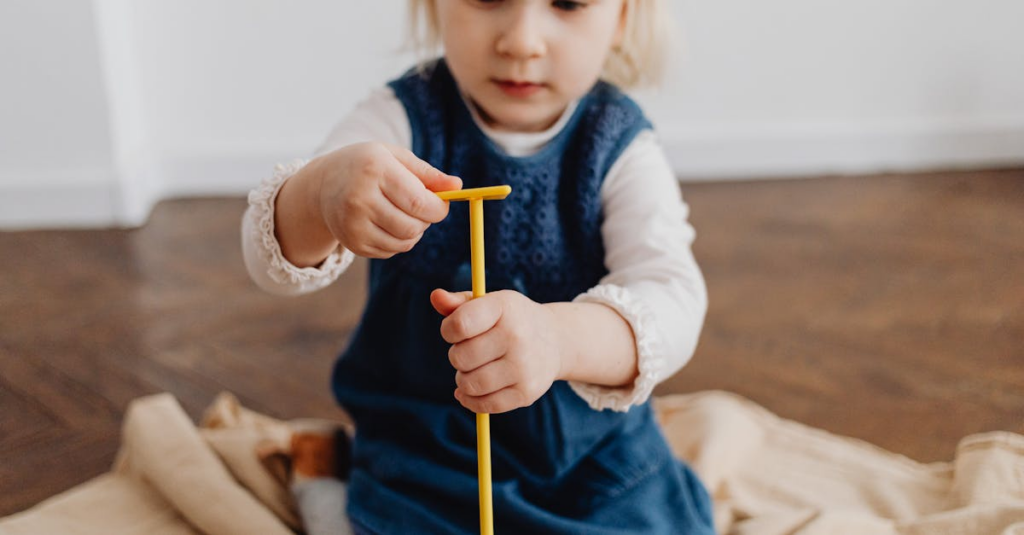
Parenting Tips For Preschoolers: Transforming Chaos Into Joy
Let’s face it: parenting preschoolers can sometimes feel like wrangling a bunch of tiny tornadoes. Between colorful crayons on the walls and the unsolicited rendition of ‘Let It Go’ at the dinner table, we often wonder where the instruction manual is. But fear not: we’re here to serve up some essential parenting tips that will not only help us survive these formative years but thrive in them. Get ready to navigate the wild world of preschool parenting with humor and confidence.
Understanding Preschool Development
Preschoolers are like sponges, soaking up knowledge and experiences at a speed that can leave us dizzy. They are in a crucial stage of development where their social, emotional, and cognitive skills are blossoming. By understanding the stages of preschool development, we can tailor our parenting strategies effectively.
During these years, they explore their individuality and assert their independence. As we observe their growth, let’s actively engage with them to foster their curiosity and help them achieve developmental milestones. Remember, it’s okay to let them stumble as they figure things out: we’re in this to learn together.
Promoting Positive Behavior
Positive behavior is like gold in the parenting world, and there are a few tricks we can use to cultivate it. First off, let’s lead by example. When we model kindness and patience, our little ones are far more likely to mirror that behavior. Praise acts of kindness when we see them. Be specific about what they did well to reinforce positive actions and show them how much we value their efforts.
Also, let’s establish clear expectations. When our preschoolers know what’s expected, they are more likely to comply. Being consistent with rules is essential and helps them understand boundaries. Who knew, right? Consistency can help us avoid a meltdown over which snack they can have.
Encouraging Early Learning
Early learning is the foundation for a child’s educational journey, and we can kickstart this process in simple yet powerful ways. Reading together is one of our best tools. It sparks imagination and enhances language skills. Let’s make it fun: picture books or silly songs can turn storytelling into an adventure.
We should also create a learning-rich environment. Whether it’s a colorful art station or an accessible bookshelf filled with their favorite books, these resources can ignite our child’s passion for learning. Let’s keep learning a playful try, and watch our little ones find joy in discovery.
Building Emotional Resilience
Emotional resilience is like a superpower for preschoolers, helping them navigate the ups and downs of life. To support this development, we need to validate our child’s feelings. If they’re upset about losing a toy, acknowledging their emotions equips them with the confidence to face challenges in the future.
We might also introduce them to age-appropriate coping techniques. Simple practices like taking deep breaths or counting to ten can empower our little ones to handle frustration when things don’t go their way. Together, we can build a sturdy emotional toolkit that helps our preschoolers thrive.
Establishing Consistent Routines
Ah, the magic of routines. Establishing consistent daily routines can ease the chaos in our lives and bring a sense of security to our preschoolers. Whether it’s a predictable morning routine or a calming bedtime ritual, kids flourish on structure. It helps them understand what to expect, which can make transitions smoother.
Let’s work to involve our little helpers in these routines. A fun chart with stickers can motivate them to follow through with their responsibilities, and guess what? It also fosters a sense of independence and accomplishment.
Fostering Social Skills Through Play
Playtime isn’t just a way to blow off steam: it’s a vital avenue for developing social skills. We can encourage cooperative play by setting up games that require teamwork. Simple activities like building a fort or solving puzzles together can teach our children how to communicate, negotiate, and work together.
Let’s also organize playdates. This informal setting gives our preschoolers opportunities to build friendships and practice social interactions. It can even turn into a parenting win when we catch up with other parents while the kids are busy playing.