
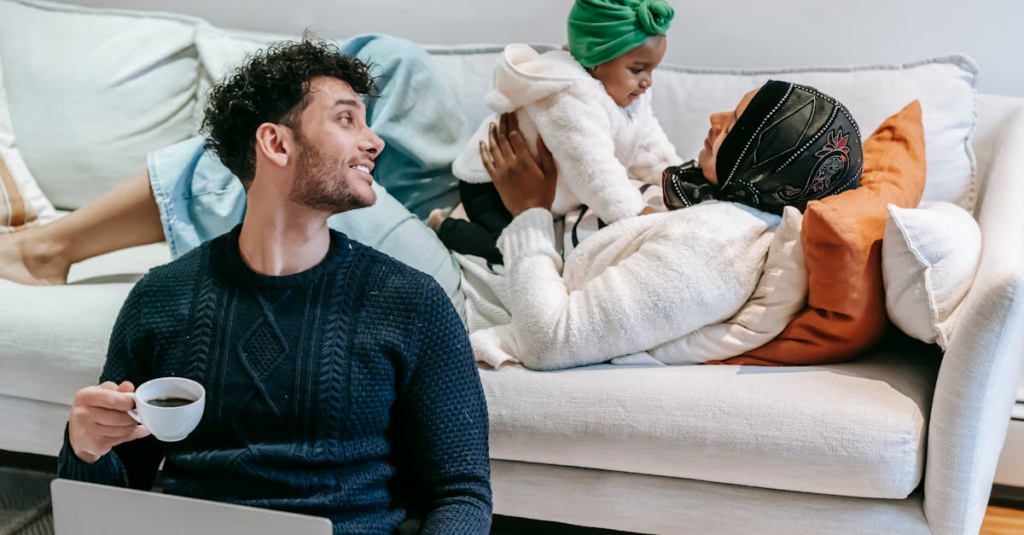
Positive Parenting Tips For Toddlers
Are you juggling the delightful chaos of toddlerhood? Trust us: you’re not alone. With little ones running around, demanding our attention while figuring out their emotions, positive parenting can feel like walking a tightrope. But don’t worry. We’ve gathered some valuable tips to make this journey smoother and a lot more enjoyable for both us and our toddlers. Let’s jump into the world of positive parenting, with laughter and a sprinkle of sanity.
Understanding Toddler Behavior
Toddlers are like tiny tornadoes of emotions and energy. One minute they’re giggling over their favorite toy, and the next, they’re in a full-blown meltdown over the color of their cup. It’s crucial for us to grasp that this stage comes with a unique developmental process. Their brains are growing faster than a weed. Plus, they’re learning how to express themselves, not just through words, but also through body language and reactions.
Getting to the root of this behavior helps us respond more effectively. For instance, when they throw a tantrum over something seemingly trivial to us, it’s often about them feeling overwhelmed. By stepping into their shoes, we can spend a moment guiding them through their feelings. This understanding is our first stepping stone toward positive parenting.
The Importance Of Positive Reinforcement
We all love a little appreciation, don’t we? By practicing positive reinforcement, we create an encouraging atmosphere for our toddlers. This technique is simple but powerful: when our kids behave well or achieve something, let’s celebrate it.
Instead of only addressing the negative behaviors, we can shine a light on the good ones. For example, when our toddler shares their toys, we can praise them enthusiastically. A simple, “Wow. You did a great job sharing.” can create a ripple effect, motivating them to repeat that behavior. Over time, they begin to associate good behavior with positive feedback, making life a little easier for us all.
Creating a Safe and Supportive Environment
Safety first. Every toddler needs a space where they feel secure to explore. Our home should be a sanctuary that promotes curiosity without the lurking threat of danger. Enumerating a few tips helps in creating this environment:
Childproofing: Ensure furniture is stable, sharp objects are out of reach, and any choking hazards are eliminated.
Comfort Zones: Set up areas designated for different types of play: a quiet reading nook, an art corner, or a space for active play.
Consistent Routines: Routines foster predictability, which our toddlers crave. Knowing what to expect makes them feel safe and can significantly reduce anxiety.
By laying down this foundation, we empower our toddlers to explore freely, fostering their innate curiosity.
Encouraging Independence and Exploration
Each little step they take is a big victory. Encouraging independence gives our toddlers the confidence to explore their surroundings. We can start small, letting them choose their clothes (even if they don’t match) or decide between snacks for the day.
Besides, letting them tackle simple tasks, like putting away toys or helping in the kitchen, empowers them. Even if it takes a bit longer than if we were to do it, the pride they feel is worth the wait. We’re also teaching them valuable life skills in the process.
Effective Communication Strategies
Words matter. Our communication style significantly impacts how our toddlers perceive and respond to us. We can employ simple yet effective strategies:
Use Clear Language: Rather than complex sentences, let’s keep it short and sweet. Instead of saying, “Please don’t run inside the house because you might fall,” we can say, “Let’s walk inside.” Simple, right?
Active Listening: Giving them our undivided attention when they speak or express emotions fosters strong bonds. Kneeled down at their level helps us connect better.
Non-verbal Cues: Often, our body language says more than words. Smiling, making eye contact, and using encouraging gestures invite positive interaction.
Building a Strong Parent-Child Relationship
A solid parent-child relationship is our greatest achievement. Establishing trust and open lines of communication ensures our toddlers feel safe sharing their thoughts and feelings. Let’s prioritize quality time, whether through activities together or enjoying everyday routines.
We can also share our emotions with them. If we feel stressed, communicating that we need a moment to recharge helps them understand that it’s okay to express feelings.
Also, being consistent with our rules and expectations encourages stability in their world, which, in turn, strengthens our relationship. Celebrating their wins, offering hugs, and even talking about our day can be the glue that holds this relationship together.